Culture/Faith
Faith Resources
Some parents believe that the Bible requires them to physically punish their children. However, many
Christian leaders, clergy and theologians do not interpret the Scriptures this way. The articles below
explore this issue.
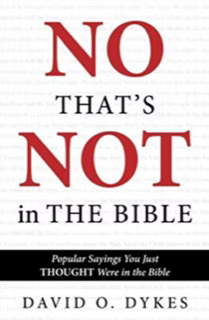
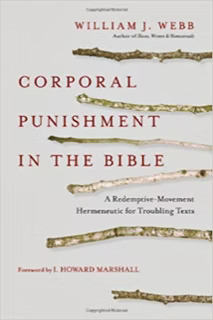
Books on Religion and Spanking
Spiritual care in Children’s Advocacy Centers: results of a survey of CAC directors
Many offenders against children use religion to facilitate abuse, which causes children spiritual harm. Moreover, child victims may generally suffer spiritual harm because abuse shakes their belief in a just and loving God. The spiritual harm is often exacerbated if the abuser is clergy and/or a congregation rallies around the abuser. Religion and spirituality can also be important resources for children’s recovery. This research assesses spiritual harm and healing encountered in Children’s Advocacy Centers (CAC), which coordinate the investigative and service response in thousands of child abuse cases. The project surveyed all 964 U.S. Children’s Advocacy Centers directors and 172 responded.
The results indicate that, particularly in the Southern region, many CACs are seeing spiritual harm in their practice, and some are also witnessing spirituality used to help children heal. The most common responses to children raising a spiritual question were to recommend the child discuss it with their therapist and to refer the child to a local faith community, but the survey results suggest that most members of the multidisciplinary team, including therapists, lack training on spiritual care and most CACs have limited relationships with local faith communities. Over one-third of CAC directors either strongly or somewhat favored a spiritual care program or have implemented one, but a larger percentage were uncommitted. However, most respondents reported being interested in learning more and receiving resources and guidance, suggesting that the path is open for improvement in providing spiritual care to child victims in CACs.
Our Affiliate Organizations